Wissington Sugar: The 1970s Expansion for UK Beet Self-Sufficiency
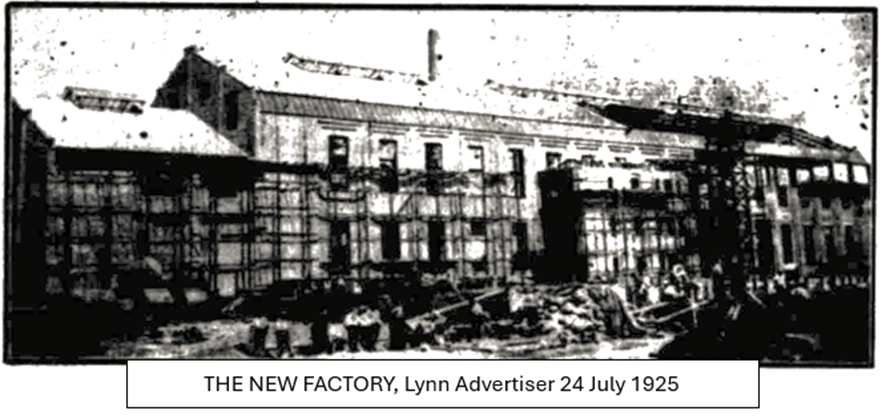
The name Wissington Sugar has long been synonymous with agricultural innovation and industrial might in the UK. Established a century ago by the visionary local entrepreneur Mr. W. T. (Bill) Towler, the Wissington sugar factory quickly cemented its place as a vital "beet beacon" in the Fenlands. While its early history laid a strong foundation, the 1970s marked a truly transformative era for Wissington, propelling it to the forefront of the British Sugar Corporation's (BSC) ambitious drive for domestic sugar self-sufficiency. This pivotal decade saw monumental investments, technological leaps, and strategic decisions that reshaped the landscape of sugar production across the nation.
The 1970s Catalyst: Wissington's £10 Million Transformation
The early 1970s witnessed a monumental three-year, £10 million reconstruction and expansion project at the Wissington Sugar factory, culminating in 1971. This wasn't merely an upgrade; it was a strategic overhaul orchestrated by the British Sugar Corporation as part of a national rationalisation programme. The core objective was clear: to significantly shorten the sugar beet processing season and enhance logistical efficiency. The newly designed factory layout at Wissington guaranteed a quicker turnaround for beet-laden lorries, optimising transport from a critical 30-mile radius and reducing bottlenecks.
This expansion came at a critical juncture for the UK. Farmers were consistently increasing sugar beet yields per acre, and there had been a modest but steady rise in the acreage dedicated to beet cultivation. More significantly, the prospect of the UK joining the European Economic Community (EEC) loomed large. With accession, it was widely forecast that the long-standing Commonwealth Sugar Agreement, which guaranteed preferential access for cane sugar from former colonies, would eventually end or diminish. To mitigate potential supply disruptions and reduce reliance on imported sugar, a substantial increase in domestic beet processing capacity became an economic imperative. The Wissington expansion directly addressed this need, dramatically boosting its daily processing capacity by an additional 4,200 tonnes, bringing its total to an impressive 7,200 tonnes per day. The physical boundaries of the factory site itself were also expanded, reflecting the scale of this ambitious undertaking.
Strategic Location and Pioneering Technology: Why Wissington Led the Way
The decision to make Wissington Sugar a cornerstone of this national expansion was far from arbitrary; it was a testament to its unparalleled strategic advantages. Nestled in the heart of a prolific beet-growing region, Wissington benefited from its proximity to Norfolk, which, at the time, contributed a staggering quarter of all British sugar beet. This ensured a reliable, high-volume supply of raw material. Furthermore, the surrounding agricultural landscape boasted modernised farming practices, translating into consistent quality and efficient harvesting for the factory.
Undertaking such a massive construction project in the Fenlands, however, presented formidable engineering challenges. Known for their soft, alluvial soils, the Fens are notoriously difficult for large-scale construction. John Laing Construction Limited, the lead contractor, overcame these geographical hurdles by relying heavily on concrete piling for most of the new facilities – a testament to the era's engineering ingenuity and a commitment to long-term stability. For those interested in the fascinating intersection of pioneering construction and technological leaps, our article on Kent K70 & Fenland Feats: Wissington Sugar's Tech & Building Legacy provides a deeper dive into these achievements.
Beyond structural strength, the expanded Wissington facility also embraced technological innovation. One of the most forward-thinking aspects was the introduction of a Kent K70 computer system. This groundbreaking technology was deployed not only to control various intricate processing operations within the factory but also to generate crucial management reports. This early adoption of industrial automation underscored Wissington's commitment to efficiency and foreshadowed the digital transformation that would sweep across industries in the decades to come.
Overcoming Adversity and Fueling Future Ambitions: The Mid-1970s Push for Self-Sufficiency
Even with advanced planning and cutting-edge technology, agriculture remains at the mercy of nature. The 1970s weren't without their trials for Wissington Sugar. In November 1974, an exceptionally challenging harvest season unfolded. Crops on the Marshland silt and Fenland soils faced severe jeopardy due to adverse weather conditions. Harvesters became bogged down, rendering mechanised collection difficult. In a striking example of resilience and urgency, the British Sugar Corporation even called upon the army to assist, and some farms resorted to the arduous task of pulling up and topping beet by hand. Yields in the Wissington area plummeted to a mere 10 to 11 tons per acre, significantly below the expected 15 ½ tons. This period served as a stark reminder of the inherent risks in food production and the vital role of logistical support.
Despite these immediate challenges, the strategic vision for growth remained undeterred. In the summer of 1975, just months after the difficult harvest, British Sugar announced further substantial expansion plans for the Wissington plant, aiming for an additional 20% increase in production capacity. This was part of a broader, ambitious £15 million investment across all 17 of BSC's plants, with the ultimate goal of making the UK 50% self-sufficient in sugar and positioning British Sugar as the largest sugar-producing company globally. Kenneth Sinclair, the then CEO of BSC, articulated the transformational impact of political changes: "Before entry into the EEC, BSC had operated under the 1956 Sugar Act which restricted the financial structure on the UK sugar beet industry….The ‘Yes’ vote for joining the EEC ….gave the go ahead we wanted for massive expansion and modernisation." This insight highlights how pivotal government policy and international agreements are in enabling industrial growth and fostering national self-sufficiency.
Wissington's Enduring Legacy: A Blueprint for British Agriculture
The expansive projects and strategic foresight demonstrated at Wissington Sugar throughout the 1970s played an indelible role in shaping the UK's agricultural and industrial landscape. By investing heavily in domestic processing capacity, the British Sugar Corporation, with Wissington at its heart, successfully navigated the complexities of international trade agreements and changing agricultural demands. This period cemented Wissington's reputation not just as a factory, but as a symbol of national economic resilience and agricultural independence.
The impact of these expansions extended far beyond the factory gates. They helped secure local employment, stimulated modern farming practices across the Fenlands, and contributed significantly to the regional economy. The commitment to engineering excellence in challenging conditions and the early adoption of computerised control systems set a benchmark for industrial innovation. Wissington's journey through the 1970s underscores the dynamic interplay between policy, technology, and sheer determination in achieving ambitious national goals.
Today, Wissington continues to stand as a testament to this legacy, embodying a century of innovation, adaptation, and dedication to the British sugar beet industry. For a deeper understanding of its incredible journey and its enduring impact on its community, explore our article: Wissington Sugar: 100 Years as Britain's Beet Beacon & Local Landmark.
The 1970s at Wissington Sugar weren't just about concrete and machinery; they were about a strategic vision realised, overcoming challenges, and laying the groundwork for the UK's future sugar security. It remains a powerful example of how targeted investment and forward-thinking leadership can transform an industry and bolster national self-sufficiency.